


No products in the cart.
Animal Care and Welfare at Alpine Goats Farms
Comfortable animals eat more, breed on time and fall sick less often, so good welfare is also good economics. Shed design, floor space, ventilation, clean water and a balanced ration do more for productivity than any single supplement.
This section covers housing and bedding, feeding and mineral supplementation, hoof and coat care, heat and cold stress, pregnancy and newborn care, and humane handling and transport.
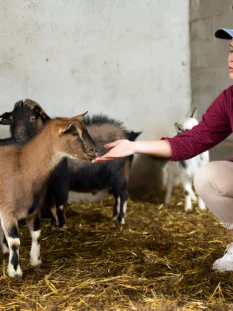
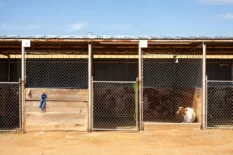
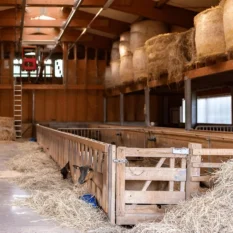
Daily Housing, Feeding and Welfare Practices
Shed Design and Orientation
An east-west long axis, wide overhangs and open sides keep the shed cool and dry. Plan drainage before you lay the floor, not after.
Floor and Bedding
A slightly sloped, non-slip floor with dry bedding prevents hoof problems, mastitis and injuries. Wet floors are the single most common welfare failure on Indian farms.
Ventilation and Air Quality
Ammonia smell at nose height means the air is already harmful. Ridge vents and open eaves cost little and cut respiratory disease sharply.
Space Per Animal
Crowding raises stress, injury and disease and lowers intake. Allow adequate covered and open loafing area for each adult, with extra for pregnant animals.
Clean Drinking Water
Free access to clean water is the cheapest way to raise milk yield and growth. Scrub troughs regularly and never let them run dry in summer.
Balanced Ration Planning
Combine green fodder, dry roughage and a measured concentrate to match the animal’s stage of production. Guesswork feeding is expensive in both directions.
Mineral Mixture and Salt
Area specific mineral mixture corrects the silent deficiencies behind poor heat signs, weak calves and low yields. Offer a salt lick free choice.
Fodder Calendar
Plan crops so that green fodder is available in every month, including the dry season. Store surplus as silage or hay rather than letting it waste.
Hoof Care and Trimming
Overgrown hooves change posture, reduce grazing and lead to lameness. Check and trim on a schedule, especially for stall-fed animals.
Grooming and Coat Care
Regular brushing removes loose hair and parasites and gives you a daily chance to spot wounds or swellings early. It also makes animals easier to handle.
Heat Stress Management
Shade, fans, wet floors and cool water at midday protect intake and fertility through summer. Crossbred and exotic animals suffer first.
Cold and Rain Protection
Young stock and newborns lose heat fast. Dry bedding, windbreaks and a covered corner prevent most winter losses.
Pregnancy Care
Separate advanced pregnant animals, avoid rough handling and increase energy and minerals in the last trimester. Prepare a clean, quiet calving area in advance.
Newborn Care
Clear the airway, dry the newborn, disinfect the navel and make sure it suckles colostrum quickly. The first six hours decide survival.
Colostrum Feeding
Colostrum carries the antibodies a newborn cannot make for itself. Feed generously within two hours and never substitute plain milk for it.
Weaning and Growth
Introduce starter feed early and wean gradually so growth does not stall. Weigh or tape young stock monthly to catch problems early.
Humane Handling
Move animals calmly, use flight zone and pressure rather than sticks, and never lift by ears, legs or wool. Calm handling reduces injury for animals and handlers alike.
Welfare and the Five Freedoms
Freedom from hunger, discomfort, pain, fear and freedom to behave naturally are practical checkpoints, not abstract ideals. Audit your farm against them once a season.
Latest Insights
04
Jan
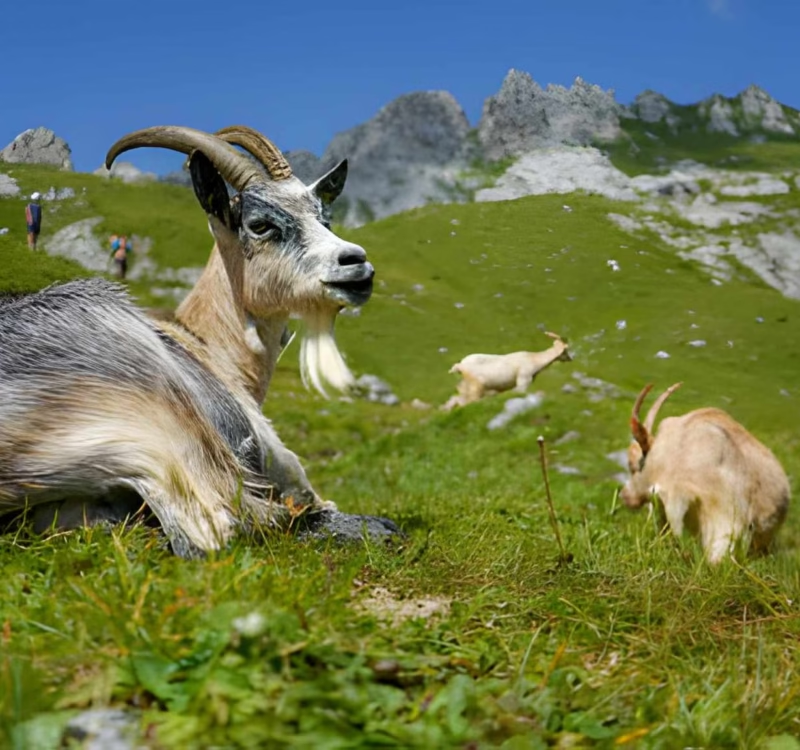
Alpine Goat Breed Complete Guide: Characteristics, Milk Production & Dairy Farm Care in India
Are you looking to start a dairy farm in India but unsure which goat breed to choose? Alpine goats are among the world's…
8 Comments
24
May
🐐 Why Choosing the Right Goat Breed Matters in India
Goat farming is becoming increasingly popular due to its profitability and the versatility of goats in various agricultural ventures. Whether you're a hobby…
8 Comments