


No products in the cart.
Dairy Farming and Milk Production at Alpine Goats Farms
Milk pays the bills on most livestock farms, but the margin is decided by things that are easy to overlook: how clean the milking routine is, how quickly milk is cooled, how much green fodder the animal actually eats, and how many days of the year she is in milk.
This section brings together clean milk production, udder health, milk testing, cooling and storage, and the business side of supplying a dairy or selling direct, for goats, cows and buffaloes alike.

What It Takes to Run a Clean, Profitable Dairy Operation
Clean Milk Production
Wash hands and udder, use a dry cloth, discard the first few streams and milk into a clean covered vessel. These four habits cut bacterial counts more than any equipment upgrade.
Milking Routine and Timing
Animals let down milk best on a fixed schedule with the same handler. Consistent morning and evening timings raise total yield and reduce residual milk in the udder.
Hand Milking Technique
Full hand milking with the whole palm is gentler than stripping with two fingers and protects the teat canal. Complete the milking within seven to eight minutes of let-down.
Machine Milking Basics
A machine saves labour on larger herds but only if vacuum level, pulsation rate and liner condition are checked regularly. Poor settings are a leading cause of teat damage.
Udder Health and Mastitis
Watch for clots, flakes, heat or swelling and use a strip cup at every milking. Early detection and prompt treatment save both the quarter and the lactation.
Milk Cooling and Storage
Milk should be cooled to four degrees within two hours of milking. Every hour of delay at farm temperature multiplies bacterial load and shortens shelf life.
Fat and SNF Explained
Payment at most collection centres is based on fat and solids-not-fat, not on volume alone. Green fodder, fibre length and stage of lactation all move these numbers.
Milk Testing at Collection
Understanding the lactometer, the Gerber test and adulteration checks helps you argue your case when a reading looks wrong. Keep your own record of every sample.
Dairy Shed Layout
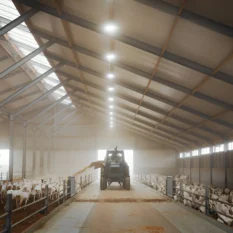
Plan for a feeding manger, a clean water line, a sloped non-slip floor and a separate milking area. Good layout saves labour on every single day of the year.
Feeding for Milk Yield
Match concentrate to yield, keep green fodder available and never make sudden ration changes. Most low yield complaints are nutrition problems, not genetics.
Green Fodder Planning
A year-round fodder calendar with berseem, lucerne, maize and napier avoids the lean season slump. Fodder grown on farm is always cheaper than bought concentrate.
Silage and Hay Making
Silage preserves surplus monsoon fodder for the dry months at a fraction of the cost of feed. Proper chopping, compaction and airtight sealing decide whether it succeeds.
Dry Period Management
A sixty day dry period lets the udder repair and the foetus grow, setting up the next lactation. Cutting it short reduces the following yield noticeably.
Calf Rearing and Colostrum
Colostrum within the first two hours is the single most important intervention for calf survival. Follow with clean milk feeding, early starter feed and deworming.
Reproduction and Calving Interval
A calf every twelve to thirteen months is the target. Heat detection, timely insemination and body condition scoring are what keep the interval short.
Dairy Record Keeping
Record daily yield, feed, insemination dates and treatments per animal. Records turn guesswork about which animal is profitable into a decision you can defend.
Milk Pricing and Selling
Compare cooperative rates, private dairies and direct home delivery before committing. Direct sales pay more per litre but demand time, packaging and trust.
Value Added Dairy Products
Paneer, ghee, curd, khoa and flavoured milk lift returns well above raw milk rates. Start small, test local demand and get your labelling and licences in order first.
Latest Insights
04
Jan
Alpine Goat Breed Complete Guide: Characteristics, Milk Production & Dairy Farm Care in India
Are you looking to start a dairy farm in India but unsure which goat breed to choose? Alpine goats are among the world's…
8 Comments
24
May
🐐 Why Choosing the Right Goat Breed Matters in India
Goat farming is becoming increasingly popular due to its profitability and the versatility of goats in various agricultural ventures. Whether you're a hobby…
8 Comments