


No products in the cart.
Are you looking to start a dairy farm in India but unsure which goat breed to choose? Alpine goats are among the world’s most productive dairy breeds, originating from the rugged French Alps and now thriving across India. With milk production of 2,000-2,500 pounds per lactation, exceptional adaptability to diverse climates, and a friendly temperament, Alpine dairy goats have become the preferred choice for both small-scale homestead farmers and commercial dairy operations throughout India.
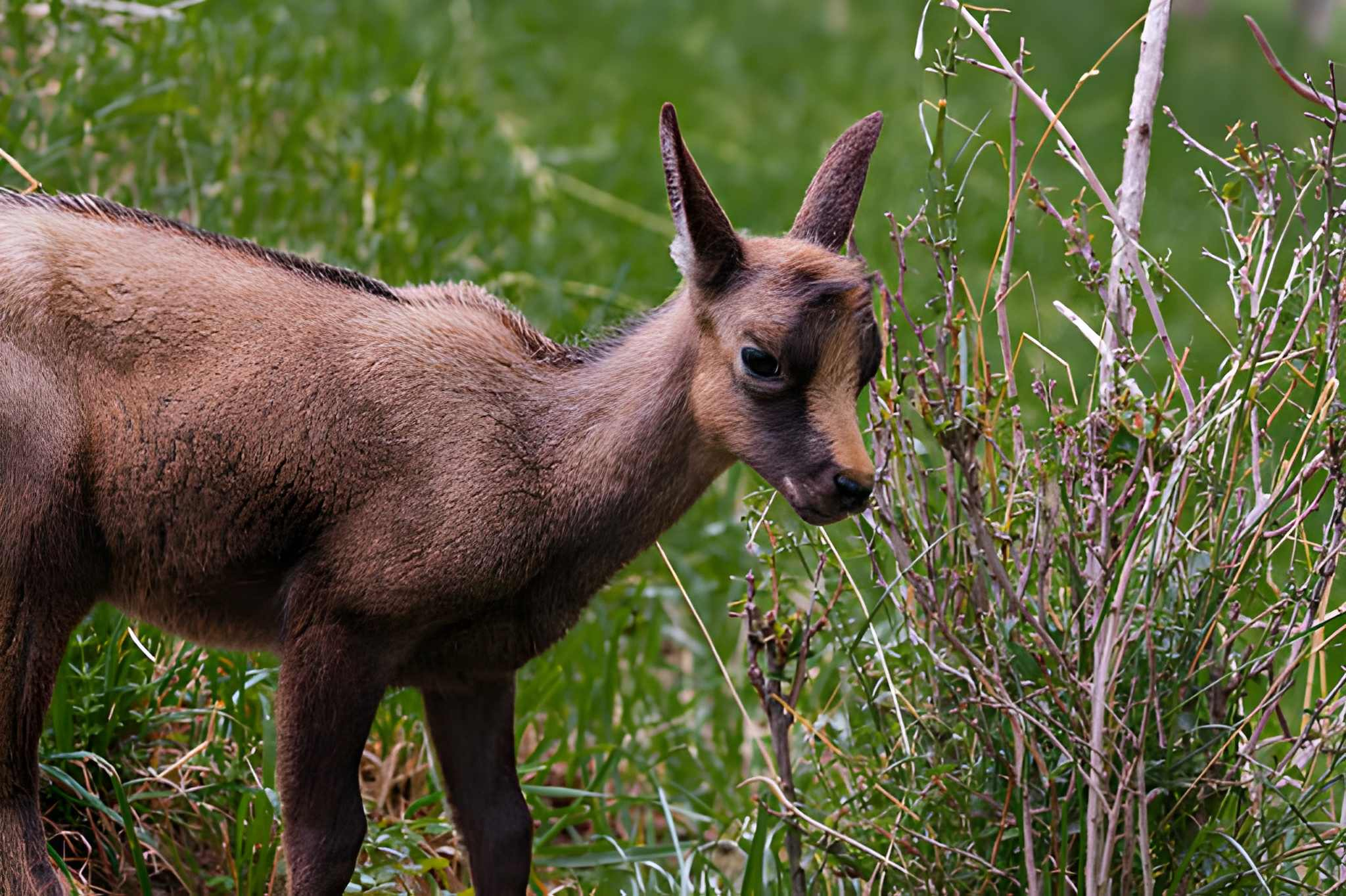
This comprehensive guide covers everything you need to know about raising Alpine goats: their distinct characteristics, milk production capacity, breeding management, health care, housing requirements, nutrition, and profitability insights specific to Indian farming conditions. Whether you’re planning to start with 5 goats or build a commercial dairy farm with 50+ animals, this article provides actionable information backed by scientific research and practical farming experience.
Understanding the Alpine Goat Breed
Origin and History of Alpine Goats
The Alpine goat breed originated in the mountainous regions of the French Alps, where harsh climate conditions and rugged terrain demanded animals with exceptional hardiness, stamina, and milk production capabilities. These goats were selectively bred by French shepherds over generations to produce high-quality milk even in challenging mountain environments. The breed’s ability to thrive on rough forage while maintaining excellent milk yield became the hallmark of the Alpine breed.
When Alpine goats were introduced to North America in the early 1900s, breeders began developing the American Alpine, which maintained the core characteristics of the original French variety while adapting to different climatic conditions. Today, French Alpine and American Alpine lines are both recognized as distinct strains, though they share the same superior dairy genetics.
The breed arrived in India several decades later and has since become increasingly popular among progressive dairy farmers in states like Punjab, Himachal Pradesh, Maharashtra, and Rajasthan due to their climate adaptability and high milk yields.
Why Alpine Goats Stand Out Among Dairy Breeds
Alpine goats are distinguished from other dairy breeds (Saanen, Nubian, Toggenburg, LaMancha) for several key reasons:
High Milk Volume: Alpine goats produce 2,000-2,500 pounds of milk per lactation over 305 days, making them one of the top three milk-producing breeds globally.
Climate Adaptability: Unlike Saanen goats (better suited to cooler climates) or Nubian goats (preferring warm environments), Alpine goats adapt well to India’s varied climates—from the cool hills of Himachal Pradesh to the warm plains of Punjab and Rajasthan.
Milk Composition: Alpine milk contains 3.3-4.5% butterfat and 2.8-3.5% protein, making it ideal for cheese production, yogurt, butter, and other dairy products.
Temperament: Alpine goats are known for their intelligent, curious, and friendly dispositions, making them easier to handle than some other dairy breeds, though they can be independent-minded.
Longevity and Fertility: Alpine does maintain consistent milk production over multiple lactations and breed reliably, typically producing 2-3 kids per doe over 2-year periods.
Physical Characteristics and Breed Standards
Size and Weight Standards for Alpine Goats
Alpine goats are classified as medium to large-sized dairy animals, with substantial frame size that supports their high milk production capacity.
| Characteristic | Does (Female) | Bucks (Male) |
|---|---|---|
| Weight | 125-150 lbs (57-68 kg) | 170-200+ lbs (77-91+ kg) |
| Height at Withers | 30 inches (76 cm) minimum | 32+ inches (81+ cm) |
| Body Depth | Deep barrel for feed capacity | More muscular build |
| Build Type | Refined, dairy-type | Heavier, more masculine |
Optimal milk production occurs when Alpine does weigh at least 135 pounds and have achieved full maturity (typically 3-4 years old). Younger does under 100 pounds or does under ideal body condition produce significantly less milk.
Distinctive Color Patterns and Markings
One of the most attractive features of Alpine goats is their diverse and varied coat colors. Unlike Saanen goats (which are predominantly white) or Toggenburg goats (which have specific color patterns), Alpine goats come in numerous striking color combinations:
Primary Alpine Color Patterns:
| Color Pattern | Description | Common Appearance |
|---|---|---|
| Cou Blanc | White front, dark rear | White neck and front legs, black/brown body |
| Cou Clair | Light front, dark rear | Tan/cream neck, black/brown back |
| Cou Noir | Dark front, white rear | Black/dark neck, white/cream rear |
| Chamoisee | Tan/brown base | Golden-tan with black markings on face, legs, dorsal stripe |
| Sundgau | Black with white patterns | Black body with white markings on face and legs |
| Red/Brown Variations | Solid reddish-brown tones | Various shades from light tan to deep mahogany |
The American Dairy Goat Association (ADGA) breed standards, which apply to Alpine goat registration in India as well, discriminate against all-white individuals and Toggenburg-pattern markings, valuing the colorful patterns described above. This genetic diversity in color makes each Alpine goat visually distinct and attractive.
Facial Features and Body Structure
Alpine goats have several distinctive physical features that define the breed:
Facial Features:
- Ears: Erect, medium-length ears that stand upright (unlike Nubian goats’ long floppy ears or LaMancha goats’ tiny ears)
- Face Profile: Straight or slightly dished profile (not convex like Damascus goats)
- Eyes: Alert, intelligent expression that reflects their curious nature
- Muzzle: Refined muzzle with well-defined nostrils
Body Structure:
- Withers: Prominent withers (shoulder bone) creating a level or slightly elevated topline
- Barrel: Deep, capacious barrel to accommodate large rumen for forage digestion and milk production
- Back: Strong, level back (straight line from withers to hip)
- Legs: Straight, strong legs with hard, well-formed hooves suitable for rocky/hilly terrain
- Udder: In does, the udder should be well-attached, high, with two well-separated teats suitable for machine milking
Differences Between Alpine Does and Bucks
Understanding the physical and behavioral differences between males and females is essential for successful herd management:
Does (Females):
- Weigh 125-150 lbs on average
- More refined, delicate facial features
- Smaller, more dainty frame overall
- Bred specifically for milk production
- Calmer during milking routine
- Natural maternal instincts for kidding
Bucks (Males):
- Weigh 170-200+ lbs
- More muscular, powerful build
- Heavier bone structure
- Strong musk odor during breeding season (especially in fall)
- More assertive, territorial behavior
- Used primarily for breeding and herd genetics
- Require separate housing except during breeding season
Temperament and Social Behavior
Alpine Goat Personality Traits
Alpine goats are celebrated for their intelligent, curious, and sociable nature, making them excellent animals for both experienced and novice farmers. However, understanding their behavioral characteristics is crucial for successful management.
Key Personality Traits:
Intelligent and Curious: Alpine goats are quick learners and problem-solvers, capable of understanding routines, recognizing individual handlers, and even opening gates or latches if not properly secured. This intelligence means they require mental stimulation and enrichment to prevent boredom and destructive behavior.
Friendly and Approachable: Unlike some livestock breeds, Alpine goats actively enjoy human interaction. They will approach handlers, respond to their names, and seek physical contact like petting. This makes them ideal for 4-H programs and youth agriculture education.
Independent-Minded: While friendly, Alpine goats can be strong-willed and independent. They don’t blindly follow authority but rather evaluate situations and assert their preferences. This trait requires patient, consistent handling rather than forceful management.
Active and Energetic: Alpine goats are naturally athletic and love to move, jump, and explore. They require ample space, climbing opportunities, and varied terrain to express natural behaviors.
Mischievous if Bored: A bored Alpine goat becomes a problem goat. Without adequate stimulation, exercise, and challenges, they may escape enclosures, harass other animals, or engage in destructive behaviors.
Social Behavior in Herds
Alpine goats are highly social creatures that naturally form hierarchical family groups. Understanding herd dynamics is essential for maintaining harmony and productivity.
Herd Dynamics:
- Alpines establish a clear dominance hierarchy or “pecking order” based on age, size, temperament, and prior experience
- Leadership typically falls to the oldest or most assertive does
- This social structure helps maintain order and reduce conflict, as subordinate goats understand their position
- Separating goats from the herd causes significant stress, impacting milk production and reproduction
Social Bonds:
- Alpine goats form strong bonds with herd mates, kids, and caretakers
- Kids remain bonded with their dams for months and even years
- Dams recognize and preferentially interact with their own kids
- Sudden separation or overcrowding disrupts these bonds, causing behavioral and health problems
Vocalization Patterns:
- While not as vocal as Nubian goats (known for loud hollering), Alpines still communicate extensively through bleating and vocalizations
- They bleat when separated from herd mates, at feeding time, or when distressed
- Recognizing different vocalizations helps farmers understand goat needs and detect problems early
Managing Alpine Goat Temperament for Maximum Productivity
To harness the positive traits of Alpine goats and minimize behavioral problems:
- Provide Mental and Physical Stimulation: Design enclosures with varied terrain, climbing structures, jumping platforms, and different foraging areas to keep goats mentally engaged
- Maintain Consistent Routines: Alpine goats thrive on predictable daily routines. Milk at the same time each day, feed at consistent times, and maintain the same handlers when possible
- Ensure Adequate Space: Never overcrowd Alpine goats. Provide at least 15-20 square feet per adult animal indoors and additional outdoor grazing/exercise space
- Positive Reinforcement: Use treats, kind handling, and praise to build positive associations with milking, handling, and routine procedures
- Safe, Secure Fencing: Because of their intelligence and athleticism, Alpine goats require sturdy fencing at least 5 feet high. Regular fence checks are essential to prevent escapes
- Herd Stability: Maintain stable herd composition. When introducing new animals, do so gradually to minimize stress on the entire herd
Milk Production Excellence – The Core Benefit
Alpine Goat Milk Production Capacity
The primary reason farmers choose Alpine goats is their exceptional milk production. Alpine does are ranked among the top three milk-producing dairy breeds worldwide, alongside Saanen and Toggenburg goats.
Annual Milk Production:
- Average lactation yield: 2,000-2,500 pounds (900-1,150 liters) per doe per 305-day lactation cycle
- Daily production during peak: 1-2 gallons (3.8-7.6 liters) per day
- Peak milk production typically occurs 4-6 weeks after kidding
- Lactation length: 305 days of consistent production per year
Optimal Production Factors:
Production of 2,000+ pounds requires does to:
- Weigh at least 135 pounds at maturity
- Be in excellent body condition (score 3-3.5 on 1-5 scale)
- Receive proper nutrition with adequate protein and energy
- Be properly milked twice daily on a consistent schedule
- Experience minimal stress or environmental disruptions
Milk Composition and Quality
Alpine goat milk is nutritionally superior to cow’s milk and prized by cheesemakers and consumers worldwide.
Nutritional Profile (per 250 ml):
| Nutrient | Alpine Goat Milk | Cow’s Milk | Goat Milk Advantage |
|---|---|---|---|
| Protein | 2.3 g | 3.4 g | Easier to digest, less allergenic |
| Calcium | Higher by 13% | Baseline | Better for bone health |
| Vitamin B6 | Higher by 25% | Baseline | Better energy metabolism |
| Vitamin A | Higher by 47% | Baseline | Better eye health |
| Potassium | Higher by 134% | Baseline | Better cardiac function |
| Butterfat Content | 3.3-4.5% | ~3.7% | Richer flavor for cheese |
| Lactose | Lower | Higher | Easier to digest |
| Alpha S1-Casein | 89% less | Baseline | Reduced allergic reactions |
Alpine milk’s composition makes it ideal for producing:
- High-quality aged and fresh cheeses
- Creamy butter and cream
- Delicate yogurt and kefir
- Nutritious ice cream
- Therapeutic goat milk products for sensitive consumers
Lactation Cycle and Breeding Considerations
Understanding the lactation cycle is essential for planning breeding and milk production:
Lactation Timeline:
- Weeks 1-6: Peak milk production (highest volume and quality)
- Weeks 7-20: High production, gradually declining
- Weeks 21-44: Sustained mid-level production
- Weeks 45+: Production decline as lactation winds down
Breeding for Continuous Lactation:
To maintain year-round milk production in a dairy operation:
- Breed does to kid between September and February (fall/winter breeding season)
- Stagger kidding dates by breeding every 30-40 days during breeding season
- This ensures some does are in peak lactation at all times
- Maintain at least 15-20 breeding does for a consistent supply
Dry Period Management:
- Typically 60-90 days of dry period after lactation ends
- During dry period, does rest and prepare for next pregnancy
- Avoid milking during dry period to prevent mastitis
Factors That Influence Alpine Goat Milk Yield
Several management and genetic factors significantly impact milk production:
Nutrition (Critical – 40% of production):
- High-quality forage (alfalfa hay, fresh pasture)
- Adequate concentrate supplementation during lactation (1-2 lbs per gallon of milk produced)
- Essential minerals: calcium, phosphorus, magnesium, zinc
- Vitamins: particularly A, D, and E
Milking Frequency and Routine (20% of production):
- Twice-daily milking is essential; once-daily milking reduces production by 40%
- Consistent milking times (every 12 hours) optimize milk letdown
- Proper pre-milking udder preparation stimulates oxytocin release
Genetics and Breeding (30% of production):
- Genetic merit for milk production (inherited from parents)
- Choosing does with high milk production ancestry
- Selecting bucks from high-producing dams
Health and Disease Management (10% of production):
- Mastitis immediately reduces milk yield and quality
- Parasites reduce nutrient absorption and milk production
- Proper vaccination and herd health protocols maximize production
Housing and Infrastructure Requirements
Shelter Design for Alpine Goats in India
Proper housing is essential for maintaining Alpine goat health and milk production, particularly in India’s varied climates ranging from cold Himalayan regions to hot, dry plains.
Essential Shelter Features:
1. Weather Protection:
- Roof: Sturdy construction protecting from monsoon rainfall and excessive sun exposure
- Ventilation: Adequate air circulation (4-6 air changes per hour) to prevent respiratory diseases without creating drafts
- Insulation: In cooler regions (Himachal Pradesh, Uttarakhand), insulation or heated areas during winter kidding season
- Sun Protection: Shaded areas or covered shelter for summer heat (particularly important in Punjab, Rajasthan, Maharashtra)
2. Flooring:
- Type: Elevated slat flooring or raised platforms with bedding (recommended) rather than solid concrete
- Bedding Material: Straw, sawdust, or wood shavings (3-4 inches deep)
- Dry Environment: Goats must have dry beds; wet bedding causes respiratory disease, foot rot, and parasite problems
3. Space Requirements:
| Age/Type | Space Required (sq ft) | Notes |
|---|---|---|
| Adult Does | 15-20 sq ft per animal | Minimum for comfort and milk production |
| Adult Bucks | 20-25 sq ft per animal | Larger due to heavier weight |
| Pregnant Does | 20-25 sq ft | Extra space for comfort in late pregnancy |
| Nursing Does + Kids | 25-30 sq ft | Space for kids to move, play, and nurse |
| Kids (5-10 weeks) | 3-5 sq ft per animal | Smaller pen areas acceptable temporarily |
4. Feeding and Water Areas:
- Separate feeding area from sleeping/resting area to maintain cleanliness
- Feeders: Individual feeding stations or slat-bar feeders to prevent feed competition and waste
- Water troughs: Minimum 1-2 gallons per animal per day capacity, with 2-3 water points to prevent competition
- Water quality: Clean, fresh water twice daily; water temperature should be above freezing in winter
5. Milking Parlor (for dairy operations):
- Separate, clean area distinct from housing area
- Wash station for pre-milking udder cleaning
- Equipment cleaning/sterilization station
- Milk storage/cooling area with refrigeration
Outdoor Space and Pasture Management
Alpine goats require substantial outdoor space for exercise, grazing, and natural behavior expression.
Pasture Space:
- Minimum: 0.5 acres per 10 animals for supplementary grazing
- Optimal: 1 acre per 10 animals for primary forage (rotational grazing)
- Additional benefit: Rotational grazing reduces parasite loads, as goats graze fresh pasture rather than contaminated areas
Outdoor Features:
- Shade structures: Shelters or trees providing shade during hot months
- Climbing structures: Rocks, logs, or platforms for natural climbing behavior
- Water points: Outdoor water troughs for hot-weather hydration
- Shelter access: Covered lean-to or open shelter for escape from rain/extreme sun
Fencing Requirements and Security
Because Alpine goats are intelligent, athletic, and prone to escape if bored or insecure, robust fencing is absolutely essential.
Fencing Specifications:
- Height: Minimum 5 feet (4 feet may be insufficient for athletic does; 5+ feet for bucks)
- Material Options:
- Woven wire (4×6 or 4×12) with wooden or metal posts
- Electric fencing (for rotational grazing systems)
- Barbed wire (less preferred; increases injury risk)
- Combination (often most cost-effective: woven wire with single electric strand)
- Ground Contact: Buried at least 6 inches below ground to prevent escapes underneath
- Maintenance: Weekly inspections for holes, downed sections, or weak points; immediate repair of damage
- Gates: Heavy-duty self-closing gates with reliable latches; consider Alpine goats’ ability to open simple latches
Nutrition and Feeding Guidelines
Basic Nutritional Requirements for Alpine Goats
Alpine goats are ruminants with specialized nutritional needs, especially when in lactation. Proper nutrition is the single largest factor determining milk production success.
Daily Nutritional Requirements:
| Nutrient | Function | Sources |
|---|---|---|
| Dry Matter | 3-4% of body weight daily | Forage + grain |
| Crude Protein | 10-14% of diet | Alfalfa hay, legumes, grain |
| Energy (TDN) | 65-70% of requirement | Grains, quality forage |
| Fiber | 15-25% crude fiber | Hay, pasture, plant stalks |
| Calcium | 0.8-1.2% of diet | Alfalfa, mineral supplements |
| Phosphorus | 0.6-0.8% of diet | Grains, mineral supplements |
| Magnesium | 0.15% of diet | Mineral supplements |
| Zinc | 30-40 ppm | Mineral supplements |
| Selenium | 0.1-0.2 ppm | Mineral supplements, selenized salt |
Water Requirements:
- Minimum: 3-5 gallons per day for dry does
- Peak lactation: 5-8 gallons per day per lactating doe
- Hot weather (summer in India): Additional 20-30% increase due to evaporative needs
Forage and Pasture Management
High-quality forage forms the foundation of Alpine goat nutrition and represents 60-80% of daily intake.
Forage Options in India:
High-Quality Hay:
- Alfalfa hay: Premium quality (15-20% protein, high calcium)
- Legume mixed hay: Clover, trefoil blended with grasses
- Quality grass hay: Orchard grass, timothy (used in cooler regions)
- Local legumes: Berseem clover (winter/spring in North India)
Pasture and Grazing:
- Rotational grazing: Move goats to fresh pasture areas every 3-7 days to minimize parasite transmission
- Fallow periods: Leave previously grazed areas ungrazed for 21-28 days to break parasite lifecycle
- Mixed pasture: Combinations of legumes and grasses optimize nutrition
- Seasonal adjustments:
- Spring/Summer: Fresh pasture replaces much of hay requirement
- Fall: Transition to stored hay as fresh forage declines
- Winter: Stored forage (hay, silage) is primary feed source in North India
Concentrate Feeding During Lactation
While forage is essential, Alpine does require concentrate (grain) supplementation during peak lactation to meet energy and production demands.
Concentrate Feeding Schedule:
By Lactation Stage:
| Stage | Does in Milk | Purpose | Feeding Method |
|---|---|---|---|
| Peak (Weeks 1-12) | 1-2 lbs/day per doe | Energy for 1-2 gal/day milk | Twice daily with milking |
| Mid (Weeks 13-26) | 0.75-1 lb/day | Sustain mid-level production | Once or twice daily |
| Late (Weeks 27-39) | 0.5 lb/day | Supplement declining forage | Once daily or less |
| Dry does | 0 lbs | Preparation for pregnancy | None; forage only |
Recommended Concentrate Ingredients:
- Energy sources: Corn, barley, oats (50-60% of concentrate)
- Protein sources: Soybean meal, sunflower meal, cottonseed meal (20-30% of concentrate)
- Fiber: Alfalfa pellets or bran (10-15% of concentrate)
- Minerals: Calcium, phosphorus, salt, trace minerals (5-10% of concentrate)
Quality Commercial Concentrates in India:
Many Indian feed manufacturers produce dairy goat concentrates specifically balanced for Alpine goats. Look for products containing:
- 14-16% crude protein (for lactating does)
- Balanced calcium:phosphorus ratio (~1.5:1)
- Essential trace minerals including selenium and copper
- No mycotoxins (particularly important for milk quality)
Seasonal Feeding Adjustments for India
Indian farmers must adjust Alpine goat feeding seasonally due to dramatic changes in forage availability and weather:
Monsoon Season (June-September):
- Challenge: Wet forage increases mold risk; fresh grass abundance
- Strategy: Reduce concentrate slightly if fresh pasture abundant; ensure barn dryness to prevent respiratory disease
- Water: Monitor for oversaturation in pastures; provide dry shelter access
Post-Monsoon/Fall (October-November):
- Opportunity: Peak grass growth; optimal forage quality
- Strategy: Reduce concentrates to minimum; maximize high-quality pasture
- Breeding: Begin breeding season; ensure good body condition
Winter/Cool Season (December-February):
- Challenge: Low forage quality; limited fresh pasture; pregnant does requiring extra nutrition
- Strategy: Increase alfalfa hay quality/quantity; increase concentrates for pregnant/lactating does
- Kidding season: Extra nutrition critical during late pregnancy and early lactation
- Water: Ensure unfrozen water (particularly in hill regions)
Hot Season/Summer (March-May):
- Challenge: Heat stress; declining forage quality; increased water needs
- Strategy:
- Provide shade and frequent water access
- Shift feeding to cooler parts of day (early morning/evening)
- Green fodder (if available): Maize, sorghum, improved pasture
- Reduce concentrate if grazing abundant
- Monitor for heat stress (excessive panting, lethargy)
Breeding and Reproduction Management
Understanding Alpine Goat Reproduction
Successful goat breeding is fundamental to maintaining a productive dairy operation. Alpine goats have specific reproductive characteristics that farmers must understand.
Key Reproductive Parameters:
| Parameter | Duration/Age | Notes |
|---|---|---|
| Estrous Cycle | 18-21 days | Regular throughout breeding season |
| Duration of Heat | 14-48 hours | Average 24-36 hours |
| Age at Puberty (Bucks) | 4-5 months | Can breed earlier if large |
| Age at Puberty (Does) | 5-6 months | Should not breed until 75-80 lbs |
| Gestation Period | 145-155 days | Average 150 days |
| Ideal First Kidding Age | 13-17 months | Does should weigh 75-80 lbs |
| Service Period | 40-50 days | Days from kidding to next breeding |
| Kidding Interval | 12-13 months | Ideal: 3 kids in 2 consecutive years |
Seasonal Breeding Characteristics
Alpine goats are seasonal breeders, exhibiting breeding activity primarily in fall and early winter. Understanding seasonality is crucial for planning kidding dates.
Breeding Season Timeline:
August-October (Pre-Breeding):
- Bucks exhibit increasing sexual activity
- Does begin showing estrous cycles more frequently
- Body condition improvement from summer forage boosts fertility
November-February (Peak Breeding):
- 85% of matings occur during this period in India
- Does exhibit strong, regular heat cycles
- Pregnancy rates peak (93% with natural breeding)
- This timing results in spring kidding (February-May), optimal for milk production in India
March-August (Seasonal Anestrus):
- Does enter “summer anestrus” (no heat cycles)
- Photoperiod (day length) is primary trigger
- Can be partially overridden by continuously maintaining bucks in herd
Implications for Indian Farming:
- Natural breeding September-December produces spring kids
- Spring kids are born when:
- Fresh pasture abundant (supports lactating does)
- Temperatures mild (less stress on newborns)
- Market demand for meat kids peaks (Eid, summer festivals)
- Dairy production peaks when milk prices historically high
Breeding Methods: Natural Mating vs. Artificial Insemination
Farmers can breed Alpine does using two methods, each with advantages and disadvantages:
Natural Breeding (Most Common in India):
- Method: Buck placed with does during breeding season
- Advantages:
- No special equipment or training required
- Pregnancy rate: 93% (very high)
- Lower labor requirements
- Goats control mating timing naturally
- Disadvantages:
- Buck requires separate housing most of year (space and cost)
- Uncontrolled genetics (harder to select for specific traits)
- Buck odor can taint milk if housed near dairy area
- Specific breeding dates unknown (harder to predict kidding)
- Buck is costly and consumes feed year-round
Artificial Insemination (AI – Growing in Commercial Operations):
- Method: Buck semen collected, processed, and artificially placed in doe reproductive tract
- Advantages:
- Precise breeding dates (easier to predict kidding within ±3 days)
- Access to superior genetic lines from distant locations
- No need for on-farm buck (saves feed, housing, labor)
- Can use multiple bucks’ genetics in single season
- Better genetic progress and herd improvement
- Disadvantages:
- Pregnancy rate: 70-80% (lower than natural breeding)
- Requires training and consistent technique
- Frozen semen quality varies; requires proper thawing
- More expensive per breeding (₹500-1500 per doe)
- Requires estrus synchronization for best results
Recommendation for Alpine Goat Farms in India:
For small-to-medium farms (10-50 does), natural breeding with one high-quality buck is most practical. For larger commercial operations (100+ does), AI with estrus synchronization allows genetic progress and reduces buck-related costs.
Gestation Care and Pregnancy Management
Pregnancy management is critical for fetal development and ensuring healthy, vigorous kids.
Gestation Timeline and Care:
First Trimester (Days 1-50):
- Few visible changes to pregnant doe
- Maintain good nutrition (not excessive)
- Avoid stress; handle gently
- Provide clean water, quality forage, minerals
Second Trimester (Days 51-100):
- Doe begins showing visible weight gain
- Nutritional needs remain moderate
- Continue quality forage, minerals
- Monitor body condition (avoid overfat does)
Third Trimester (Days 101-150):
- CRITICAL PERIOD: Rapid fetal growth occurs in final 30 days
- Nutritional demands dramatically increase
- Increase concentrate feeding: 0.5-1 lb/day above maintenance
- Protein requirement increases to 14-16% of diet
- Provide high-quality hay (alfalfa preferred)
- Extra minerals: calcium, phosphorus, magnesium
- Reduce physical stress; avoid forcing pregnant does to jump or climb
- Begin preparing kidding area 2-3 weeks before due date
Late Pregnancy Monitoring:
- Observe for signs of pregnancy toxemia (lack of appetite, lethargy, weakness in hind legs)
- Increase feeding if multiple fetuses expected
- Ensure dry bedding and shelter protection
- Have kidding supplies ready: clean towels, iodine, bulb syringe, colostrum (backup), antibiotics
Pre-Kidding Nutrition (2 weeks before):
- Peak nutrition: 1-1.5 lbs concentrate daily + quality forage
- Reduced forage (to make room for developing fetus)
- High-quality alfalfa hay preferred
- Minerals: especially calcium and magnesium
- Vitamin A: critical for colostrum quality and newborn immunity
The Kidding Process and Newborn Care
Kidding (birth) is the most critical period in goat breeding, requiring careful preparation and monitoring.
Kidding Signs (24-48 Hours Before Delivery):
- Udder fills dramatically (becomes tense, shiny)
- Ligaments beside tail relax, become soft/spongy
- Vulva becomes swollen, discharge appears
- Does become restless, may separate from herd
- Appetite may decrease slightly
- Labored appearance or frequent lying down
Labor Progression:
- Stage 1 (Early Labor): Does become uncomfortable, restless; may stand and lie repeatedly. Can last 2-12 hours.
- Stage 2 (Active Labor & Birth): Strong contractions; visible straining; kid should appear within 30 minutes of active pushing
- Stage 3 (Afterbirth): Expelled placenta within 1-4 hours of last kid’s birth
Assisting at Kidding:
Generally, let nature take its course, but assist if:
- No progress after 30 minutes of active labor
- Kid appears in abnormal position (backwards, bent legs)
- Doe shows excessive distress or hemorrhage
- Multiple kids and mother exhausted
Newborn Kid Care (First 24 Hours):
- Dry the kid: Remove amniotic fluid immediately; rub dry with clean towels to prevent hypothermia
- Navel treatment: Dip navel stub in 7% iodine solution to prevent infection
- Colostrum feeding: CRITICAL – Kids must receive colostrum (first milk) within 2-4 hours of birth
- Contains antibodies protecting against diseases
- Provides essential nutrients
- 10% of body weight (0.5-1.5 lbs for 5-10 lb kid)
- Monitoring: Ensure kid can stand, nurse successfully, and expel meconium (first feces) within 12 hours
- Housing: Keep nursing doe + kids in separate pen for 3-5 days, then gradually integrate into herd
Expected Litter Size:
- Average: 1.5-2 kids per doe
- Range: 1 (single) to 4-5 (rare)
- Larger litters common in well-fed, mature does
Health Management and Disease Prevention
Common Alpine Goat Health Issues in India
While Alpine goats are generally hardy, several health problems are prevalent in Indian goat farming. Prevention is far more cost-effective than treatment.
Internal Parasites – The #1 Production Limiter
Gastrointestinal parasites are the single largest health issue affecting Alpine goats in India, causing significant production losses and economic damage.
Impact of Parasites:
- Reduced milk yield (up to 30-50% decrease in heavily parasitized does)
- Poor weight gain in kids
- Diarrhea (scours) in kids
- Lethargy and appetite loss
- Poor reproductive performance (low kidding rates)
- Deaths in severe cases (especially in kids)
Common Parasites in India:
- Haemonchus contortus (barber pole worm) – Most damaging; causes anemia
- Trichostrongylus spp. – Intestinal damage
- Eimeria spp. (Coccidia) – Especially problematic in kids
- External parasites: Mites, lice, ticks (seasonal)
Parasite Management Strategy:
Prevention (Most Important):
- Rotational Grazing: Move goats to fresh pasture every 5-7 days; avoid previously grazed areas for 21-28 days
- This breaks parasite lifecycle
- Reduces fecal contamination on grazing ground
- Improves forage quality through rest periods
- Herd Health Monitoring: Regularly inspect for parasite signs:
- Pale mucous membranes (anemia from blood-sucking parasites)
- Diarrhea or pasty feces
- Weight loss despite good feeding
- Lethargy, weakness
- Quarantine New Animals: Test and treat any new goats before introducing to herd to prevent parasite introduction
- Regular Deworming:
- Frequency: Every 6-8 weeks for kids; every 8-12 weeks for adults
- Timing: Particularly important pre-breeding, pre-kidding, and post-kidding
- Products: Rotate between anthelmintic classes to prevent resistance
- Benzimidazoles (Fenbendazole, Albendazole)
- Macrocyclic lactones (Ivermectin, Moxidectin)
- Imidazothiazole (Levamisole)
- Sanitation:
- Clean and dry shelter (parasite eggs don’t survive in dry conditions)
- Elevate feeders and water troughs (prevent fecal contamination)
- Regular manure removal
Mastitis – The Dairy Farmer’s Nemesis
Mastitis (inflammation of the mammary gland) is the most serious disease affecting milk production and quality. In India, mastitis affects 30% of dairy goats and causes substantial economic losses.
Types and Prevalence:
- Subclinical Mastitis (SCM): 20-30% of goats; undetectable except by lab testing; still reduces milk quality/yield
- Clinical Mastitis (CM): 5-10% of goats; visible swelling, heat, pain, discolored milk, fever
Mastitis Causes in India:
| Type | Cause Organisms | Risk Factors |
|---|---|---|
| Contagious | Staph. aureus, S. agalactiae | Poor milking hygiene; cross-contamination |
| Environmental | E. coli, Streptococcus uberis | Dirty bedding; wet shelters; contaminated water |
| Traumatic | Secondary infection | Rough teat handling; sharp objects in bedding |
Economic Impact:
- Reduced milk yield (15-30% decrease)
- Poor milk quality (high somatic cell count)
- Antibiotic treatment costs
- Discarded milk during antibiotic withdrawal
- Severe cases: permanent udder damage or death
Prevention (Critical):
- Hygienic Milking Procedures:
- Wash udders with clean water before milking
- Dry udders with single-use towels (NOT cloth towels)
- Strip first few streams of milk into separate container to detect abnormality
- Use proper milking technique (never force milk; allow letdown)
- Wear clean clothes; wash hands between animals
- Post-Milking Teat Care:
- Apply teat dip after milking (iodine-based dip standard)
- Teat dip kills bacteria, prevents mastitis
- Allow 30 seconds contact time before teat dries
- Inspect teats daily for injuries; treat immediately
- Shelter Management:
- Clean, dry bedding (change daily in high-production areas)
- Adequate ventilation (prevents moisture, respiratory disease)
- Separated udder-level surfaces (prevents lying in contamination)
- Regular shelter cleaning; disinfection between animals
- Milking Equipment Sanitation:
- Wash equipment immediately after milking with warm water
- Use detergent to remove milk residue
- Disinfect (boil or chemical disinfectant) daily
- Check for milk build-up in tubes, liners
- Replace milking liners every 300-400 milkings
- Health Monitoring:
- Regular milking checks for lumps, heat, swelling
- California Mastitis Test (CMT) monthly for early detection
- Culturing mastitis cases for antibiotic selection
- Isolate mastitic goats; milk last to prevent spread
- Breeding Selection:
- Select does for genetic resistance to mastitis (where possible)
- Cull chronic mastitis cases to remove source of infection
Treatment (When Prevention Fails):
- Antibiotic therapy based on culture results (not guesswork)
- Frequent stripping of infected quarters to evacuate pus/secretions
- Anti-inflammatory medication (NSAIDs)
- Complete milking rest (2-3 days) if severe
- Supportive care: good nutrition, clean isolation pen, frequent monitoring
Other Important Health Issues
Nutritional Deficiencies:
- Selenium deficiency: Poor fertility, weak kids (white muscle disease)
- Prevention: Use selenized salt or mineral supplements
- Vitamin A deficiency: Reduced immunity, reproductive failure
- Prevention: Quality alfalfa hay, green forage
- Mineral imbalances: Milk fever (calcium), hypomagnesemia (magnesium)
- Prevention: Balanced minerals, especially pre-kidding
Enterotoxemia (Overeating Disease):
- Caused by sudden diet changes or overeating concentrate
- Prevention: Gradual diet changes; consistent feeding; vaccination (CD&T vaccine recommended)
Foot Rot and Hoof Problems:
- Caused by wet conditions, dirty bedding, sharp rocks/stubble
- Prevention: Dry shelter, regular foot trimming (every 6-8 weeks), footbaths if needed
Vaccination Schedule (Standard in India):
- CD&T vaccine (against Clostridium C, D, tetanus): 2 doses 4 weeks apart for kids; annual boosters
- Rabies vaccine: In endemic areas, particularly if goats bitten by stray animals
- Brucellosis: Where relevant to herd/region
Body Condition Scoring and Weight Management
Optimal body condition is essential for Alpine goat productivity, reproduction, and longevity.
Body Condition Scoring System (1-5 Scale):
| Score | Description | Appearance | Production Impact |
|---|---|---|---|
| 1 – Emaciated | Severe malnutrition | Visible ribs, spine, hip bones; no fat reserves | No milk; reproductive failure; poor health |
| 2 – Thin | Below optimal | Prominent ribs and spine (palpable under light pressure); minimal fat | Reduced milk (50%); poor fertility |
| 3 – Ideal | Optimal | Ribs not visible but easily felt; smooth back; good body dimension | Maximum milk; good fertility; longevity |
| 4 – Good | Slightly over-condition | Ribs difficult to feel; filled-out appearance | Adequate milk; possible subclinical health issues |
| 5 – Obese | Excessive weight | Ribs not palpable; extremely filled out | Reduced milk; severe reproductive failure; metabolic disease risk |
Target Condition Scores by Stage:
- Late Pregnancy: 3-3.5 (thin does at risk; overfat does at risk for metabolic disease)
- Early Lactation: 2.5-3 (mobilize body reserves for milk; prevent excessive weight loss)
- Mid-to-Late Lactation: 3 (maintain body condition as milk production declines)
- Breeding Season: 3.5-4 (good condition improves fertility)
Seasonal Body Condition Management in India:
Monsoon/Post-Monsoon (Abundant Forage):
- Allow does to gain condition for upcoming breeding season
- Reduce concentrate unless already in production
- Monitor for overweight does; reduce grain
Winter/Spring (Declining Forage; Pregnancy/Lactation Peak):
- Increase nutrition significantly for pregnant/lactating does
- Close monitoring for weight loss
- Increase alfalfa, quality hay, concentrates as needed
Hot Season (Forage Scarcity):
- Challenge: Feed quality declines in summer
- Strategy: Increase concentrate supplementation
- Use stored quality hay rather than poor summer grass
- Monitor for excessive weight loss
Milking Procedures and Milk Quality
Hand vs. Machine Milking for Alpine Goats
The choice between hand milking and machine milking affects labor requirements, milk quality, and long-term profitability.
Hand Milking:
- Use case: Homesteads with 1-10 goats; farms without capital for equipment
- Advantages:
- Low capital cost
- Direct tactile feedback (early detection of mastitis)
- Quiet operation (less stress on goats)
- Flexible scheduling
- Disadvantages:
- Time-intensive (15-30 minutes per goat)
- Labor-intensive (requires 2-3 hours daily for 20 goats)
- Higher physical demand (carpal tunnel, back strain)
- Difficult to maintain milk hygiene in non-sterile environments
- High infection risk
- Labor cost: Essentially unprofitable above 20-30 goats
Machine Milking:
- Use case: Dairy farms with 20+ goats; commercial operations
- Advantages:
- Rapid (5-10 minutes per goat)
- Labor-efficient (30-40 does milked by one person)
- Consistent, gentle extraction (when equipment proper)
- Easier to maintain high milk quality/hygiene
- Lower mastitis rates
- Scales to 100+ goats efficiently
- Disadvantages:
- High capital cost (₹2-5 lakhs for small parlor setup)
- Regular maintenance required
- Equipment breakdown risk
- Noise/vibration (may stress sensitive goats)
- Requires skill to operate correctly
- Labor cost: Economical above 30 goats
Recommendation:
- Under 20 goats: Hand milking acceptable
- 20-50 goats: Portable/small parlor machine milking recommended
- 50+ goats: Full parlor system essential for profitability
Developing an Effective Milking Routine
Consistency in milking routine is absolutely critical for Alpine goat productivity and udder health.
Best-Practice Milking Routine:
Pre-Milking (10 minutes before):
- Prepare station: Ensure clean milking area; equipment disinfected from previous milking
- Bring does in: Call goats calmly to milking area; handle gently
- Visual inspection: Check for visible udder abnormalities, discharge, injuries
- Udder cleaning: Wash udders with clean warm water; use disposable cloth
- Drying: Dry completely with single-use paper towel or cloth (excessive moisture reduces milk quality)
- Teat dipping (optional but recommended): Quick dip in iodine solution; allow to dry
- Stimulation: Gentle massage of udder for 30-45 seconds to stimulate oxytocin (milk letdown); foremilking (strip first streams into separate container to check for abnormality)
Actual Milking (Hand or Machine):
- Hand milking: Gentle, rhythmic stripping; approximately 5-15 minutes depending on goat
- Machine milking: Attach properly; ensure vacuum settings appropriate (not excessive); allow goat to milk out completely (8-12 minutes)
- Completion: Milk should flow minimally; end milking to avoid mastitis from repeated stimulation
- Never: Force milk; overmilk; use excessive pressure
Post-Milking (5 minutes after):
- Teat dipping: CRITICAL – Apply iodine-based teat dip to kill bacteria
- Improves teat conditioning
- Prevents mastitis (most important mastitis prevention tool)
- Allow 30 seconds to dry
- Allow standing: Don’t immediately push goats out; allow teat sphincters to close (10-15 minutes standing)
- Milk handling: Cool milk immediately to 4°C; store at 4°C
- Equipment cleaning: Wash all milking equipment immediately with hot water and detergent
- Observation: Watch for behavioral changes, reduced appetite, or signs of illness
Milk Handling and Storage
Proper milk handling immediately after milking is critical for maintaining milk quality and safety.
Cooling (Most Critical):
- Timing: Cool milk to 4°C within 1 hour of milking
- Method: Use milk cooler/refrigerator with capacity ≥ herd volume
- Alternative: Ice bath immersion for small quantities (not efficient for >50 liters)
- Why: Prevents bacterial growth; maintains nutritional quality
Storage:
- Temperature: Maintain at 2-4°C (refrigerator temperature)
- Duration: Raw milk shelf life approximately 3-4 weeks at proper temperature
- Containers: Food-grade, sanitized containers (stainless steel preferred over plastic)
- Separation from other products: Store milk separately; prevent cross-contamination
Handling for Raw Milk Sales (if permitted in state):
- Must be exceptionally clean (lower than 50,000 CFU/ml)
- Regular testing recommended (monthly minimum)
- Proper labeling with source, date, use-by date
- Check local regulations (raw milk legality varies by state in India)
Processing (Cheese, Yogurt):
- Transport to processing location in insulated containers with ice
- Processing within 24-36 hours of collection
- Maintain cold chain throughout
Milk Quality Parameters and Testing
High milk quality is essential for processor satisfaction, food safety, and premium pricing.
Key Quality Parameters:
| Parameter | Target | Testing Method | Impact if Abnormal |
|---|---|---|---|
| Somatic Cell Count (SCC) | <200,000/ml | Lab testing | High = mastitis indicator |
| Standard Plate Count (SPC) | <50,000 CFU/ml | Lab culture | High = bacterial contamination |
| Antibiotic residues | None detected | Lab testing | Safety issue; processing problem |
| Appearance | Clear, white/cream color | Visual inspection | Abnormal = disease/contamination |
| Odor | Fresh, slightly sweet | Smell test | Off-odor = spoilage/mastitis |
| Flavor | Mild, slightly sweet | Taste test (if raw) | Off-flavor = feed/disease/spoilage |
| Composition | Fat: 3.3-4.5%; Protein: 3.0-3.5% | Lab analysis | Indicates health status |
Quality Monitoring Schedule:
- Monthly: Lab culture (SPC, SCC) for 10-20% of does
- Bi-weekly: Visual/smell checks of milk from entire herd
- Annually: Detailed composition analysis and pathogen testing
Alpine Goat Products and Value Addition
Dairy Products from Alpine Goat Milk
Alpine milk’s exceptional composition (high protein, balanced fat) makes it ideal for diverse dairy product development.
Cheese Production (Highest Value):
- Alpine milk produces excellent cheddar, feta, ricotta, mozzarella cheeses
- Yield: Approximately 1 lb cheese per 5-6 lbs milk (10% yield typical)
- Butterfat content (3.3-4.5%) supports rich, creamy cheeses
- Selling price: ₹500-1500 per kg for artisanal goat cheese in Indian market
- Value multiplication: 1 liter milk = ₹40-60 as milk; ₹300-500 as cheese
Yogurt and Cultured Products:
- Smooth, creamy texture appreciated by consumers
- Lower lactose content allows lactose-sensitive consumption
- Selling price: ₹150-300 per 500ml
- Processing: Requires pasteurization + culturing
Butter and Ghee:
- Requires milk separation or cream collection (uses butterfat 3.3-4.5%)
- Premium product: ₹800-1200 per kg
- Value-added: Herbal/infused butters command higher prices
Ice Cream and Desserts:
- High protein + fat content ideal for creamy ice cream
- Limited market in India currently; growing specialty market
Secondary Income Streams
Beyond milk/dairy products, Alpine goat farms can generate revenue from:
Kids and Breeding Animals:
- Meat kids: ₹5,000-15,000 per animal (depending on weight, genetics)
- Breeding stock: ₹20,000-50,000+ per animal (registered lines)
- Selling age: 3-6 months for meat; 6-12 months for breeding stock
Manure:
- High nitrogen content; valuable for organic farming
- ₹5,000-10,000 per ton in organic farming communities
- Can be composted for 2-3 months before sale
- Annual production: 3-4 tons per 10 does
Breeding Services:
- If maintaining quality buck, ₹500-1000 per breeding service
- Seasonal income during breeding season
Alpine Goat Farming in India – Specific Considerations
Regional Suitability Across India
Alpine goats’ climate adaptability makes them suitable across most Indian regions, with some considerations:
Highly Suitable Regions:
- Himachal Pradesh, Uttarakhand: Cool climate perfect for Alpines; excellent forage availability
- Punjab, Haryana: Semi-arid climate; need irrigation for grazing; profitable due to market proximity
- Rajasthan: Drought-tolerant forage available; high market demand
Moderately Suitable:
- Maharashtra, Gujarat: Hot, dry; require shade; summer forage management critical
- Andhra Pradesh: Hot; manageable with good shelter/water
Challenging (Possible with Extra Management):
- Tamil Nadu, Kerala: Very hot/humid; disease pressure higher; excellent market for milk products
Government Schemes Supporting Goat Farming
Multiple Indian government schemes provide subsidies/loans for goat farming:
- National Livestock Mission (NLM):
- Capital subsidy: 25-50% (up to ₹50 lakhs for commercial units)
- Eligible for dairy goat breeding units
- Animal husbandry department implementation
- Prime Minister Kisan Samman Nidhi:
- Direct income support (though primarily crop-focused)
- State-specific schemes: Vary by state; contact local animal husbandry department
- NABARD Concessional Finance:
- Loan assistance for agricultural enterprises including dairy goat farming
- Krishi Sinchayee Yojana:
- Subsidies for fodder cultivation/irrigation for dairy animals
Profitability Analysis for Indian Alpine Goat Farms
Dairy goat farming in India is highly profitable with proper management:
Small-Scale Farm (10-20 Does) Economics:
| Metric | Estimate |
|---|---|
| Initial investment | ₹2-4 lakhs (animals, shelter, equipment) |
| Annual milk production | 20,000-25,000 liters (2000-2500 lbs × 10-20 does) |
| Milk price | ₹40-60 per liter (fresh milk market) |
| Gross income (milk only) | ₹8-15 lakhs annually |
| Operating costs | ₹4-6 lakhs (feed, labor, healthcare, misc.) |
| Net profit (Year 1) | ₹2-4 lakhs after depreciation |
| ROI | 50-100% (Year 1); 30-40% (subsequent years) |
Medium-Scale Farm (50 Does) Economics:
| Metric | Estimate |
|---|---|
| Initial investment | ₹10-15 lakhs |
| Annual milk production | 100,000+ liters |
| Gross income (milk @ ₹50/liter) | ₹50 lakhs+ |
| Operating costs | ₹30-35 lakhs |
| Net profit | ₹15-20 lakhs |
| ROI | 100-150% (Year 1-2); 50-60% (steady state) |
Factors Improving Profitability:
- Product diversification: Cheese/yogurt production increases revenue 5-8x vs. milk only
- Breeding stock sales: High-quality does/bucks command ₹20,000-50,000+ each
- Kids sales: Meat kids ₹5,000-15,000 each; breeding kids ₹15,000-25,000
- Manure sales: ₹5,000-10,000 annually from manure revenue
- Government subsidies: 25-50% capital cost reduction via NLM schemes
Break-Even Timeline:
- Well-managed farms: 12-18 months
- Average farms: 18-24 months
FAQ – Answering Common Alpine Goat Questions
Q: How much milk does an Alpine goat produce daily?
A: During peak lactation (weeks 4-12 after kidding), a mature Alpine doe produces 1-2 gallons (3.8-7.6 liters) daily. This averages to 2,000-2,500 pounds per 305-day lactation cycle annually. Production declines gradually toward the end of lactation.
Q: Are Alpine goats suitable for Indian climate?
A: Yes, Alpine goats are highly adaptable to Indian climates. They thrive in cool regions (Himachal Pradesh, Uttarakhand) and can also adapt to hot, dry regions (Rajasthan, Gujarat) with proper shelter, shade, and water management. Compared to Saanen goats (better in cool climates) or Nubian goats (better in hot climates), Alpines excel across India’s diverse climates.
Q: What is the average lifespan of an Alpine goat?
A: Alpine goats typically live 10-12 years, with productive dairy years spanning ages 1.5-9 years old. Many does remain productive until 6-7 years old with declining production afterward. Does older than 8-9 years are typically culled to make room for younger animals.
Q: How often should Alpine goats be milked?
A: Twice daily at 12-hour intervals (e.g., 6 AM and 6 PM). Skipping milking or inconsistent timing dramatically reduces milk yield and increases mastitis risk. Once-daily milking reduces production by approximately 40%.
Q: What is the gestation period for Alpine goats?
A: 145-155 days, with 150 days as the average. This allows farmers to estimate kidding date by adding 150 days to the breeding date, making planning easier.
Q: Can Alpine goats breed year-round?
A: While Alpine goats are naturally seasonal breeders (breeding primarily September-February in the Northern Hemisphere), continuous buck presence can induce some out-of-season breeding. However, natural breeding season (fall/winter in India) remains optimal.
Q: What breed of buck should I use for Alpine does?
A: Pure Alpine bucks produce pure Alpine kids. However, crossing Alpine does with Saanen bucks produces higher milk volume, lower fat; Nubian bucks produces richer milk (higher butterfat), better for cheese; Toggenburg bucks produces good milk, hardy offspring. Results depend on farm goals (volume vs. quality). Consult with experienced breeders for breed-specific recommendations.
Q: How much space do Alpine goats need?
A: Minimum 15-20 square feet per animal indoors (shelter). Additional outdoor space for grazing: 0.5-1 acre per 10 animals for quality forage and exercise.
Q: What do I feed Alpine goats?
A: A balanced diet comprising 70-80% quality forage (hay, pasture, legumes), 15-30% grain/concentrates (especially during lactation), and 5-10% mineral supplements (calcium, phosphorus, trace minerals, salt). Alpine goats require 3-4% of body weight daily in dry matter feed.
Q: What vaccinations do Alpine goats need?
A: Minimum: CD&T vaccine (protects against Clostridium C & D, and tetanus) with 2 doses 4 weeks apart for kids; annual boosters for adults. Additional: Rabies vaccine in endemic areas. Consult local veterinarian for region-specific recommendations.
Q: How much does it cost to start an Alpine goat farm?
A: Small farm (10 does): ₹2-4 lakhs; Medium farm (50 does): ₹10-15 lakhs; Commercial farm (100 does): ₹20-30 lakhs. Major costs: Animals (₹8,000-15,000 per doe), shelter construction, equipment, initial feed stock.
Q: How profitable is dairy goat farming with Alpines?
A: Highly profitable: 20-40% annual ROI with proper management. Small farms (10-20 does) net ₹2-4 lakhs annually; medium farms (50 does) net ₹15-20 lakhs annually.
Q: What is mastitis and how do I prevent it?
A: Mastitis is udder inflammation, affecting 30% of dairy goats in India. Prevention: (1) Hygienic milking (clean udders, dry thoroughly), (2) Post-milking teat dipping (iodine solution), (3) Clean, dry shelter, (4) Quality nutrition, (5) Regular monitoring for early detection.
Q: Can I milk Alpine goats by hand or do I need a machine?
A: Both possible. Hand milking works for under 20 does; machine milking essential for 30+ does for economic viability. Machine milking requires capital investment (₹2-5 lakhs for small parlor) but saves substantial labor costs and improves milk quality.
Q: How do I know if an Alpine goat has mastitis?
A: Signs include: udder swelling/hardness, heat/pain, discolored milk (yellow/watery), fever, lethargy. Diagnosis: California Mastitis Test (CMT) or lab culture. Early detection allows successful treatment.
Why Alpine Goats Are the Best Dairy Breed for India
Alpine goats represent an excellent opportunity for Indian farmers seeking profitable, sustainable dairy operations. Their exceptional milk production (2,000-2,500 lbs/lactation), climate adaptability, friendly temperament, and proven profitability make them the top choice for both small homesteads and commercial dairy farms throughout India.
Key Takeaways:
- Alpine goats are elite milk producers: With proper management, does consistently produce 2,000-2,500 pounds of milk annually over 305-day lactations.
- Climate adaptability is unmatched: Unlike breed-specific preferences, Alpine goats thrive across India’s diverse climates from cool Himalayas to hot deserts.
- Profitability is substantial: Well-managed farms achieve 20-40% annual ROI, with break-even timelines of 12-18 months.
- Health challenges are manageable: Through rotational grazing, preventive vaccination, hygienic milking, and regular monitoring, Alpine goat farmers can maintain healthy, productive herds.
- Value addition multiplies income: Transitioning from milk sales (₹40-60/liter) to cheese (₹300-500/liter) increases revenue 5-8x.
- Government support exists: Indian government schemes provide 25-50% subsidies for dairy goat farm establishment through the National Livestock Mission and other programs.
Next Steps for Alpine Goat Farming:
- Site your farm: Select location with access to forage, water, and markets
- Start small: Begin with 10-20 does to establish expertise before scaling
- Secure quality animals: Source Alpine does from reputable breeders; verify breed purity
- Build infrastructure: Construct shelter, establish milking area, secure fencing
- Develop market channels: Identify buyers for milk/products before starting (cooperatives, processors, direct consumers)
- Obtain government subsidies: Contact local animal husbandry department for National Livestock Mission benefits
- Build knowledge: Connect with experienced Alpine goat farmers, attend training programs, stay updated on best practices
The success of Alpine goat farming in India depends fundamentally on three factors: proper breed selection (Alpine is optimal), meticulous management (nutrition, health, milking), and market orientation (understanding customer needs). Farmers who excel in these three areas consistently achieve high profitability and sustainability with Alpine goats.
Alpine goats are not merely livestock; they are productive assets that can transform small farmers’ livelihoods while providing India’s consumers with nutritious, high-quality dairy products.
References
This comprehensive guide has been researched using authoritative sources including:
- Wikipedia Alpine Goat Breed Profile – Physical characteristics, milk composition, breeding data
- Manna Pro Dairy Goat Breeds Guide – Milk yield, butterfat comparisons
- AgriStuff Alpine Goat Complete Guide – Origin, history, characteristics, breeding practices
- TNAU Agritech Portal – Goat reproduction, disease management
- Scientific journals on goat breeding and dairy production
- Indian government agricultural resources and publications
- Field research and practical farming experience
Also checkout: Why Choosing the Right Goat Breed Matters in India
Related posts
Posted on: May 24, 2025
🐐 Why Choosing the Right Goat Breed Matters in India
Posted on: May 5, 2025
Goat Farm Plan: Space, Infrastructure & Feeding Guide for Beginners
Posted on: April 5, 2025
Beetal Goat Farming Success: Profitable Strategies for Rural India
Posted on: March 25, 2025
Goat Growth Time: How Long Does it Take for Beetal, Alpine & Saanen Goats to Mature?
Posted on: March 22, 2025